Showing 13–16 of 16 resultsSorted by latest
Showing 13–16 of 16 resultsSorted by latest
Precision Socket Debridement & Alveolar Site Preparation
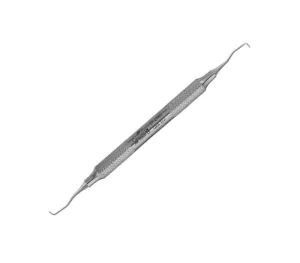
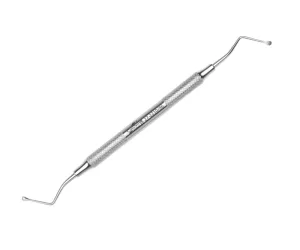
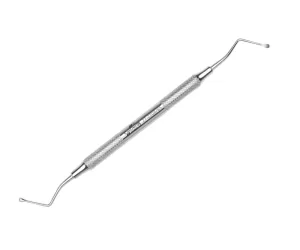
Thorough mechanical debridement of infected periapical lesions and post-extraction sockets is a critical prerequisite for predictable osseointegration and successful bone regeneration. Our surgical bone curette range offers specialized spoon geometries and shank angulations engineered for access across all anatomical sectors:
-
Lucas Bone Curettes: The industry standard for socket debridement, featuring spoon-shaped working ends in calibrated sizes (Lucas 84, 85, 86, 87, and 88) designed to scrape chronic inflammatory tissue from socket walls and root apices.
-
Hemingway & Volkmann Curettes: Heavy-duty, deep-cupped configurations suited for vigorous excavation of cystic linings, osteotomy debris, and foreign bodies during extensive pre-prosthetic surgery.
-
Double-Ended Angulated Shanks: Carefully calibrated contra-angle and universal neck designs that provide direct reach into deep posterior sockets, bifurcations, and palatal root vaults without restricting the operator’s line of sight.
-
Sharp, Burr-Free Working Margins: Precision-ground cutting perimeters ensure clean mechanical detachment of granulomatous tissue from cortical bone, reducing the need for aggressive rotary bur intervention.
-
Bone Graft Manipulation: Rounded cup backs allow clinicians to gently condense and contour particulate allograft, xenograft, or autogenous bone graft materials directly within the alveolar defect.
Metallurgy, Durability & Sterilisation Protocols
-
High-Purity Surgical Martensitic Stainless Steel: Tempered to resist bending or snapping under heavy torsional scraping against dense cortical bone.
-
Ergonomic, Anti-Fatigue Handles: Available in solid knurled or lightweight, hollow-core handle profiles to maximize tactile sensitivity, provide a secure grip in bloody fields, and minimize wrist strain.
-
Corrosion & Stain Resistance: Passivated surgical surfaces resist pitting, chemical etching, and oxidation caused by blood proteins, saline irrigation, and enzymatic cleansers.
-
Hospital-Grade Sterilisation Standards: Fully compliant with ultrasonic cleaning, automated thermal washer-disinfection, and repeated steam autoclaving up to 134°C without edge dulling or surface degradation.