
Showing all 10 resultsSorted by latest


Showing all 10 resultsSorted by latest
Atraumatic Schneiderian Membrane Detachment & Sinus Augmentation
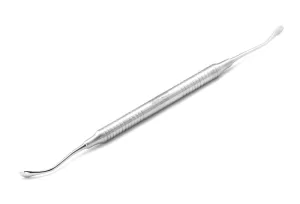
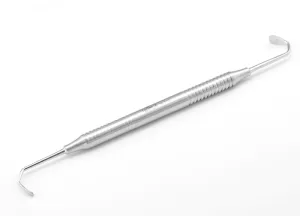
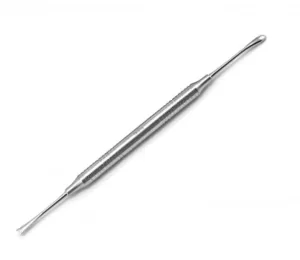
Maxillary sinus elevation is one of the most sensitive hard-tissue procedures in implantology, requiring steady instruments that conform precisely to complex bony contours. Our sinus elevator collection encompasses specialized tip designs and shaft angulations tailored to every stage of membrane management:
-
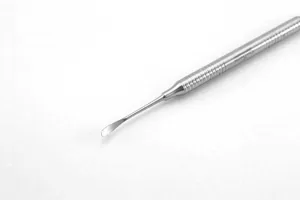
Lateral Window Sinus Curettes: Designed with rounded, non-cutting spoon and paddle geometries to safely initiate membrane detachment around the osteotomy window margins and continue across the inferior sinus floor.
-
Medial & Anterior Wall Elevators: Featuring contra-angled and universal shanks that grant direct access to deep lateral sinus recesses, allowing clinicians to elevate along anterior and posterior walls without obscuring visibility.
-
Transcrestal Approach Elevators: Fine, angled shafts with calibrated depth markers designed to introduce particulate graft materials and gently tent the sinus membrane directly through the prepared implant osteotomy.
-
Micro-Polished Atraumatic Margins: Hand-finished, burr-free working edges eliminate sharp transitions or burrs that could snag or tear the thin mucosal lining under tension.
Metallurgical Standards, Tactile Feedback & Sterilisation
-
High-Purity Surgical Stainless Steel: Resistant to flexing, corrosion, and surface pitting, ensuring zero contamination when operating adjacent to vital mucosal tissues.
-
Ergonomic Lightweight Handles: Hollow-core and knurled handle options engineered to reduce hand strain during delicate procedures while amplifying tactile feedback of membrane resistance.
-
Non-Reflective Matte Finish: Specially treated surface finish minimizes glare and reflections under bright dental operatory lights, protecting surgeon line-of-sight.
-
Hospital-Grade Sterilisation Standards: Fully compatible with ultrasonic cleaning baths, thermal washer-disinfection, and steam autoclaving up to 134°C, maintaining micro-finish integrity across thousands of clinical cycles.