
Showing 13–23 of 23 resultsSorted by latest





Showing 13–23 of 23 resultsSorted by latest
Technical & Clinical Guide
Selecting the Right Plastic Filling & Restorative Instruments
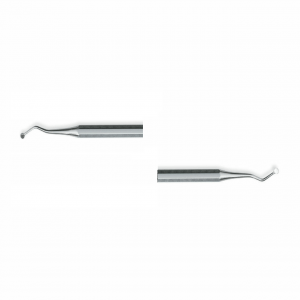
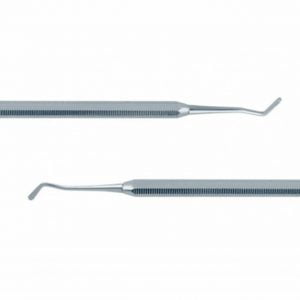
Achieving natural tooth anatomy, tight interproximal contacts, and void-free restorations requires instruments matched to the viscosity of the restorative material and the cavity preparation geometry. ComDent offers an array of specialized tips:
| Instrument Model / Style | Tip Geometry | Primary Clinical Indication |
| Flat Plastic Instruments | Flat paddle/blade paired with plugger or angled spatula | Carving composite layers, carrying material to preparations, and adapting gingival margins. |
| Heidemann Spatulas | Ultra-thin, flexible flat blades (straight or angled) | Precise interproximal contouring, shaping anterior aesthetic composites, and stripping flash. |
| Woodson Instruments | Rounded paddle on one end, cylinder plugger on the other | Placing bases/liners (e.g., calcium hydroxide, GI) and condensing restorative material. |
| Ball & Acorn Burnishers | Rounded sphere paired with anatomical acorn tip | Blending composite margins, smoothing subgingival borders, and initiating secondary occlusal fissures. |
| Composite Carvers & Sculptors | Sharp, angled knife/discoidal edges | Refining cusp anatomy, shaping marginal ridges, and carving restorative planes prior to light-curing. |
Metallurgy and Surface Finishing
-
Ultra-Fine Hand Polishing: The working ends undergo high-grade mechanical and electropolishing to create a microscopically smooth surface. This reduces composite stickiness and prevents black metal transfer on light-shaded aesthetic restorations.
-
Optimal Blade Flexibility: Blades are tempered to provide slight elastic flex under pressure, giving clinicians the tactile resistance needed to shape thin marginal edges without bending out of true.
-
HTM 01-05 Decontamination Guidelines: Clean immediately after placement using neutral-pH solutions to prevent cured bonding agents or resin residues from setting on the tips. Suitable for ultrasonic baths, thermal washer-disinfectors, and standard vacuum steam autoclaves up to 134°C.