
Showing 13–21 of 21 resultsSorted by latest



Showing 13–21 of 21 resultsSorted by latest
Selecting the Right Forceps Pattern
Different surgical and restorative tasks require specific jaw configurations to prevent tissue slippage or unwanted pressure necrosis. ComDent offers a dedicated range of classic and modern patterns:
| Pattern / Model | Tip Configuration | Primary Clinical Indication |
| Adson Tissue Forceps | 1×2 interlocking teeth, wide fluted handle | Grasping, stabilizing, and manipulating delicate gingival margins and flap edges during suturing. |
| Adson Dressing Forceps | Fine, horizontally serrated tips, wide handle | Handling delicate suture threads, positioning small gauze packs, and placing collagen sponges. |
| Semkin Forceps | Narrow, fine tips (serrated or 1×2 teeth) | Reaching restricted posterior sites or interproximal sulcus areas with high optical visibility. |
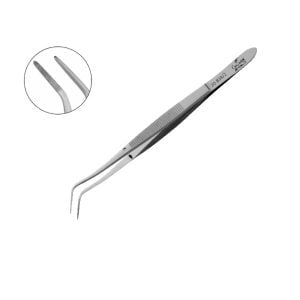
| College / London Tweezers | Angled tips, serrated beak | Standard restorative utility, cotton roll placement, matrix band insertion, and debris removal. |
| Cooley / DeBakey Style Forceps | Atraumatic micro-ribbed jaws | Vascular and fine periodontal grafting; holds tissue securely without puncture marks. |
| Gerald Forceps | Long, slender, tapered profile | Deep oral surgery access and micro-surgical flap stabilization. |
Metallurgy and Surface Treatment
ComDent dressing and tissue forceps are manufactured from premium medical-grade martensitic and austenitic stainless steel alloys, delivering:
-
Precision Tip Alignment: Each instrument undergoes individual tip inspection to guarantee micro-level parallelism, preventing scissor-crossing or twisting under lateral load.
-
Specialized Grip Texturing: Outer handle surfaces feature knurled, cross-hatched, or fluted thumb pads to prevent slippage when working with surgical gloves in wet, bloody fields.
-
Electropolished Finish: A smooth satin/electropolished surface prevents glare under high-intensity operatory lamps while enhancing natural resistance to pitting and crevice corrosion.
Recommended Decontamination & Care (HTM 01-05 Compliance)
To protect tip alignment and maintain spring resilience over years of clinical use:
-
Pre-Treatment Rinse: Clean immediately after use with cold, demineralised water to prevent blood, saline, and coagulants from drying inside fine serrations.
-
Ultrasonic / Washer-Disinfector Cleaning: Submerge in a neutral-pH enzymatic detergent. Ensure tips do not contact other instruments directly in ultrasonic baskets to avoid dulling fine teeth.
-
Drying & Lubrication: Dry thoroughly before packaging. Use an autoclavable, water-soluble medical instrument lubricant at the hinge/handle junction if applicable.
-
Steam Autoclaving: Sterilise via a standard vacuum steam autoclave cycle at 134°C. Ensure forceps are fully dried before storage.