
Selecting the Right Forceps Pattern
Different surgical and restorative tasks require specific jaw configurations to prevent tissue slippage or unwanted pressure necrosis. ComDent offers a dedicated range of classic and modern patterns:
| Pattern / Model | Tip Configuration | Primary Clinical Indication |
| Adson Tissue Forceps | 1×2 interlocking teeth, wide fluted handle | Grasping, stabilizing, and manipulating delicate gingival margins and flap edges during suturing. |
| Adson Dressing Forceps | Fine, horizontally serrated tips, wide handle | Handling delicate suture threads, positioning small gauze packs, and placing collagen sponges. |
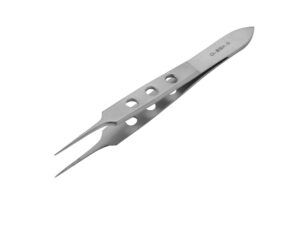
| Semkin Forceps | Narrow, fine tips (serrated or 1×2 teeth) | Reaching restricted posterior sites or interproximal sulcus areas with high optical visibility. |
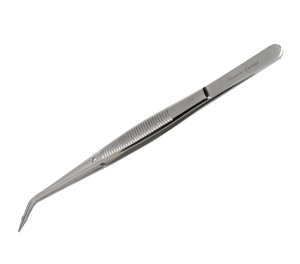
| College / London Tweezers | Angled tips, serrated beak | Standard restorative utility, cotton roll placement, matrix band insertion, and debris removal. |
| Cooley / DeBakey Style Forceps | Atraumatic micro-ribbed jaws | Vascular and fine periodontal grafting; holds tissue securely without puncture marks. |
| Gerald Forceps | Long, slender, tapered profile | Deep oral surgery access and micro-surgical flap stabilization. |
Metallurgy and Surface Treatment
ComDent dressing and tissue forceps are manufactured from premium medical-grade martensitic and austenitic stainless steel alloys, delivering:
-
Precision Tip Alignment: Each instrument undergoes individual tip inspection to guarantee micro-level parallelism, preventing scissor-crossing or twisting under lateral load.
-
Specialized Grip Texturing: Outer handle surfaces feature knurled, cross-hatched, or fluted thumb pads to prevent slippage when working with surgical gloves in wet, bloody fields.
-
Electropolished Finish: A smooth satin/electropolished surface prevents glare under high-intensity operatory lamps while enhancing natural resistance to pitting and crevice corrosion.
Recommended Decontamination & Care (HTM 01-05 Compliance)
To protect tip alignment and maintain spring resilience over years of clinical use:
-
Pre-Treatment Rinse: Clean immediately after use with cold, demineralised water to prevent blood, saline, and coagulants from drying inside fine serrations.
-
Ultrasonic / Washer-Disinfector Cleaning: Submerge in a neutral-pH enzymatic detergent. Ensure tips do not contact other instruments directly in ultrasonic baskets to avoid dulling fine teeth.
-
Drying & Lubrication: Dry thoroughly before packaging. Use an autoclavable, water-soluble medical instrument lubricant at the hinge/handle junction if applicable.
-
Steam Autoclaving: Sterilise via a standard vacuum steam autoclave cycle at 134°C. Ensure forceps are fully dried before storage.